Neil Young’s collaboration with Crazy Horse, particularly in the wake of the tragic loss of guitarist Danny Whitten, is a poignant chapter in rock history. This creative partnership, which blossomed in the late 1960s, took on new significance following Whitten’s heartbreaking overdose in 1972. The emotional weight of this event profoundly influenced Young’s artistic direction, leading to the creation of his renowned “ditch trilogy”; an exploration of loss, despair, and the raw edges of life.
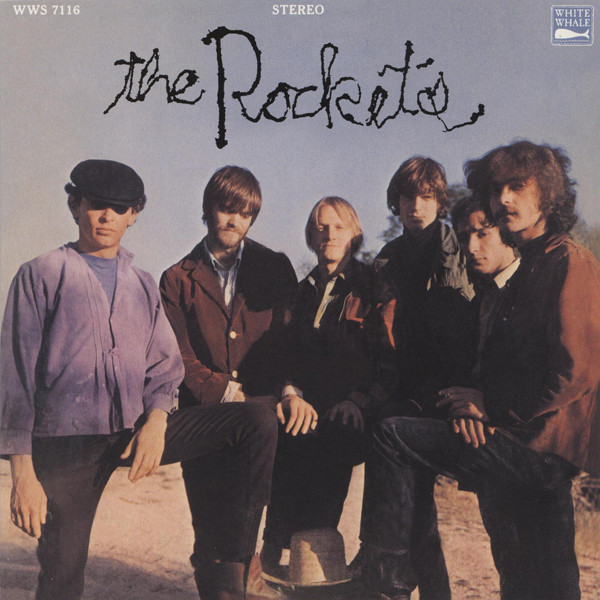
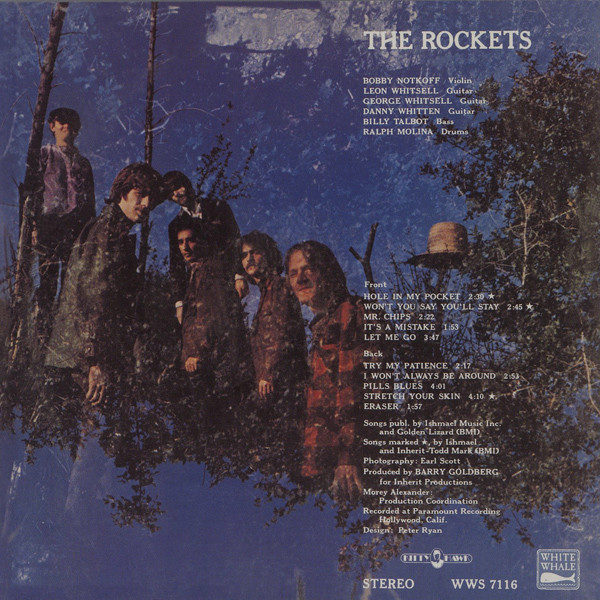
Crazy Horse, formed in 1963, originally started as a doo-wop group named Danny & the Memories. It featured Whitten as lead singer alongside Billy Talbot and Ralph Molina. Over time, the band evolved through various iterations, including their 1968 debut album credited as The Rockets, eventually finding their iconic sound in the mix of Whitten’s raw guitar work and Young’s visionary songwriting. The group gained significant recognition when Young invited Whitten, Talbot, and Molina to back him on his second solo album, Everybody Knows This Is Nowhere, released in 1969. The album highlighted their collective synergy, establishing Crazy Horse as his primary backing band.
However, the emergence of Whitten’s substance abuse issues cast a shadow over their collaboration. After an unstable performance in 1970 at the Fillmore East, Young made the difficult decision to dismiss Whitten, a move that stemmed from concern for his friend but left both men in anguish.
By the fall of 1972, Young placed Whitten on retainer with a view toward including him in his new touring band, the Stray Gators and the planned live album of previously unreleased material, Time Fades Away. Following his poor performance in rehearsals at Dress Review Sound Studio in Hollywood, the band pressured Young to dismiss him. Although Young let Whitten live on his ranch near Woodside, California and worked with him one on one during off hours in an unsuccessful effort to keep him in the group, he ultimately found it necessary to let him go and Whitten died several hours later after returning to Los Angeles, his death attributed to a fatal overdose of alcohol and Valium. The loss of Whitten deeply affected Young, who faced the guilt and sorrow over his decision, which lingered long after the incident.
In the wake of this tragedy, Young sought to channel his grief into music. He reunited with Talbot and Molina and recruited Nils Lofgren for a new project, initially under the Crazy Horse name. This collaboration culminated in the creation of Tonight’s the Night in 1975, reflecting a raw, unfiltered approach unlike anything Young had released prior. The rawness of the album mirrored the heartbreak of losing Whitten, emphasizing themes of vulnerability, addiction, and the harsh realities of life.
Following Tonight’s the Night, Young further explored the emotional landscape surrounding Whitten’s death with On the Beach and Time Fades Away, completing the “ditch trilogy.” These albums presented a stark contrast to the polished sound of his earlier works, showcasing an artist grappling with personal loss and the implications of his decisions. Each record in the trilogy chronologically shares this journey through a haze of despair, ultimately leading to a form of cathartic expression.
The collaboration with Crazy Horse, particularly in the face of such profound loss, not only paid tribute to Whitten’s memory but significantly shaped the trajectory of Young’s career. It solidified Crazy Horse’s place in rock history as a band that could explore the depths of human emotion while pushing the boundaries of musical expression. Young’s willingness to confront the darkness in his life through his art resonated deeply with fans, establishing a legacy that endures to this day. The “ditch trilogy” remains a testament to the power of music as healing and the profound impact of friendship and loss on the creative spirit.